Google Ads vs Facebook Ads: Which Fits Your Goal
Google Ads captures people already searching for what you sell; Facebook Ads finds people who fit your customer profile before they start looking.
 Photo via Unsplash
The honest answer is that neither platform is universally better. Google Ads wins when your customer already knows what they need and is actively searching for it. Facebook Ads (which also covers Instagram placements through Meta's ad platform) wins when you need to introduce your business to people who aren't searching yet but match your ideal customer profile. The right choice depends on your product, your sales cycle, and what stage of the buying decision your typical customer is in when you want to reach them.
 Photo via Pexels
What is the core difference between Google Ads and Facebook Ads?
Google Ads is an intent-based platform. It shows your ad to someone at the moment they type a search query, meaning they've already expressed a need. If someone searches "emergency plumber near me" or "best CRM for small business," they are actively looking for a solution, and Google Ads puts your business in front of that person within seconds.
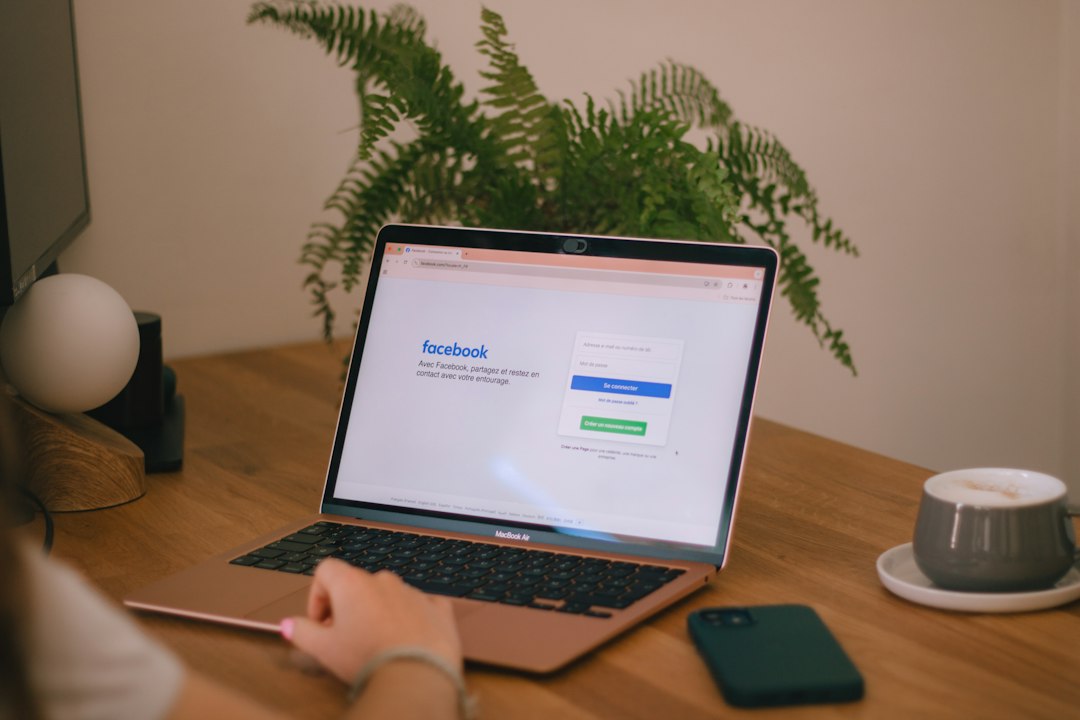
Facebook Ads (and Meta Ads more broadly, since the same ad manager runs campaigns on Instagram too) is a discovery-based platform. Instead of matching a search query, it matches an audience profile: age, location, interests, behaviors, and connections to your existing customers through lookalike audiences. Nobody searched for your product on Facebook. Your ad interrupted their scroll and introduced them to something they didn't know they needed yet.
This distinction, intent versus discovery, is the single most useful lens for deciding where to spend your ad budget. It matters more than budget size, creative quality, or industry benchmarks you might read elsewhere.
When does intent-based advertising (Google Ads) make more sense?
Google Ads tends to perform well for businesses where customers already know the category of solution they need. Plain-English examples include:
- Home service businesses (plumbers, electricians, HVAC companies) where people search during an active problem.
- Professional services (law firms, accountants, medical practices) where people research before committing.
- Businesses with clear, high-intent keywords such as a specific product name, a service plus a city, or a comparison term.
The trade-off is cost per click, which is often higher in competitive categories, and the fact that Google Ads cannot create demand that doesn't exist. If almost nobody searches for what you sell, Google Ads has little search volume to work with, no matter how well the campaign is built.
When does discovery-based advertising (Facebook Ads) make more sense?
Facebook and Instagram ads tend to work well when the product or service is something people would want if they saw it, even if they weren't actively searching. Common examples include:
- Visually appealing retail products (boutique clothing, home decor, specialty food and beverage).
- Local events, classes, or memberships that benefit from awareness building.
- New businesses or new offers where the goal is building recognition before a search habit exists.
- Retargeting past website visitors or existing customer lists using Meta's Custom Audiences.
The trade-off is that discovery ads generally require stronger creative (images, video, and copy that stop the scroll) and often need more touches before someone converts, since you're building interest rather than capturing an existing decision.
| Option | Cost Range | Best For | Key Benefit |
|---|---|---|---|
| Google Search Ads | Typically $443/mo+ in professional management, plus ad spend that varies widely by industry competition | Home services, professional services, high-intent purchases | Reaches people at the moment they are actively searching |
| Google Display/YouTube Ads | Often bundled with search management fees; ad spend varies | Retargeting site visitors, brand awareness alongside search | Extends reach beyond search results |
| Facebook/Instagram Ads | Similar management fee range; ad spend varies by audience size and goal | Retail products, local events, new brand awareness, visual offers | Finds new audiences before they start searching |
| Combined Google + Meta strategy | Higher total spend but often better full-funnel coverage | Established businesses ready to cover both discovery and intent | Captures demand you create and demand that already exists |
How do the platforms differ in targeting and audience data?
Google Ads targets primarily through keywords, meaning you choose (or let Google's automated bidding choose) which search terms trigger your ad. Google also offers audience layers, such as remarketing to past visitors or targeting by demographic and in-market segments, but the foundation is the search query itself.
Meta Ads targets primarily through audience attributes. You can build a custom audience from your existing customer list, a lookalike audience modeled after your best customers, or a saved audience based on interests, behaviors, age, and location. There is no keyword layer because there is no search query, the ad appears based on who the person is and what Meta's system predicts they'll respond to.
This is why the two platforms are complementary rather than interchangeable for most businesses that run paid advertising at scale. Google Ads captures demand; Meta Ads can help generate it.
How should a small business decide which platform to start with?
- Identify your customer's buying behavior. Ask whether a typical customer searches for your type of business online before buying, or whether they'd need to see your product to want it. Home services and professional services usually lean toward search behavior; visual retail and lifestyle offers usually lean toward discovery.
- Check for existing search demand. Before committing budget, look at whether people are actually searching for your service or close variations. If there is minimal search volume for your category, Google Ads has less to work with, and a discovery platform may be the better starting point.
- Match the budget to the platform's minimum viable spend. Both platforms need enough daily budget to gather data and exit the learning phase efficiently. Spreading a small budget across too many campaigns or ad sets on either platform usually produces weak results, not because the platform failed, but because there wasn't enough signal to optimize.
- Start with one platform, measure for a defined test period, then expand. Running both platforms simultaneously with an inexperienced team managing them often leads to unclear attribution and wasted spend. Many small businesses get cleaner data by proving out one channel first.
- Layer in the second platform once you understand your numbers. Once you know your cost per lead or cost per sale on the first platform, adding the second becomes a comparison exercise instead of a guess.
 Photo via Pexels
What are the common mistakes businesses make choosing between them?
The most common mistake is picking a platform based on what a competitor is doing rather than on customer buying behavior. A competitor's success on Facebook doesn't mean it fits your business if your customers actually search Google when they have the need.
Another mistake is treating cost per click as the only metric that matters. A Google Ads click may cost more than a Facebook Ads click in many industries, but if the Google click converts into a paying customer far more often because the searcher already had intent, the higher cost per click can still produce a lower cost per sale. Comparing platforms on click cost alone, without factoring in conversion rate, is one of the most common analysis errors small business owners make.
A third mistake is under-resourcing creative for Meta campaigns. Because Facebook and Instagram ads interrupt a scroll rather than answer a search, weak or generic creative tends to underperform regardless of targeting precision. Google Ads, by contrast, can perform reasonably well with strong keyword and copy alignment even without elaborate visuals, since the person is already looking for the solution.
Can a small business run both platforms at once?
Yes, and for many established businesses, running both eventually makes sense: Google Ads captures the demand that already exists, while Meta Ads builds awareness that creates future search demand and keeps the brand visible between purchases. The trade-off is complexity. Running both well requires separate tracking, separate creative strategies, and enough combined budget that neither campaign is starved of the data it needs to optimize.
For businesses without in-house marketing staff, this is often where a done-for-you management approach helps, since someone needs to monitor both platforms, adjust bids and audiences, and report on which channel is actually driving revenue rather than just activity.
What budget is realistic for testing either platform?
There's no universal minimum that guarantees results on either platform, and any source claiming a fixed number to "guarantee" results should be treated skeptically. What matters more is giving each campaign enough budget and time to exit the early testing phase, generally measured in weeks rather than days, before judging performance. Professional ad management fees for either platform commonly start in the low hundreds of dollars per month, separate from the actual ad spend paid to Google or Meta, and ad spend itself should scale with your average customer value and local competition.
 Photo via Unsplash
Frequently Asked Questions
Is Google Ads always more expensive than Facebook Ads?
Not necessarily, and cost per click alone is a misleading comparison. Google Ads costs vary enormously by industry and keyword competitiveness, and Facebook Ads costs vary by audience size and competition for that audience. The more useful comparison is cost per lead or cost per sale, since a more expensive click that converts at a higher rate can still produce a better return than a cheaper click that rarely converts.
Which platform is better for a brand-new business with no existing customers?
It depends on whether people search for your category. A new home service business in a city where competitors already rank in Google search results may benefit from Google Ads immediately, since the demand already exists. A new consumer product brand with no search history yet often needs Facebook or Instagram ads first to build awareness, since there's little existing search volume to capture.
Do Facebook Ads still work now that Instagram is so popular?
Facebook's ad platform (Meta Ads Manager) runs campaigns across both Facebook and Instagram from the same interface, so a business isn't choosing one over the other, it's choosing which placements within Meta's network to use. Many small businesses run the same campaign across both platforms and let Meta's delivery system allocate spend toward whichever performs better for a given audience.
Can Google Ads help with brand awareness the way Facebook Ads does?
Google's Display Network and YouTube Ads offer awareness-style advertising within the Google ecosystem, but Search Ads specifically are built for capturing existing intent, not creating new awareness. If brand-building is the primary goal rather than lead capture, many businesses find Meta's visual, interest-based targeting a more natural fit, while reserving Google Search for the moment a prospect is ready to act.
How long should a business test a new ad platform before deciding it isn't working?
There's no single confirmed timeline that applies to every business, since results depend on budget, industry competition, and how quickly the campaign gathers enough data to optimize. As a professional recommendation rather than a guarantee, most agencies advise evaluating performance in defined windows, often several weeks, rather than judging a campaign after only a few days of activity, since early data is usually too limited to draw reliable conclusions.
Should a small business manage these campaigns in-house or hire help?
This depends on available time and expertise. Both platforms have real learning curves around bidding strategy, audience building, and conversion tracking, and mismanaged campaigns can burn budget quickly without producing usable data. Many small businesses find that professional ad management, whether through an agency or a dedicated hire, pays for itself by avoiding costly early mistakes and interpreting performance data correctly.
Ads that return on spend
Google, Meta, and programmatic campaigns managed by humans who know your numbers.
See our advertising services