Local SEO Explained: Why It Decides Who Gets the Customer
Local SEO helps nearby customers find your business on Google and Maps when they're ready to buy. Here's what it is, how it works, and why it compounds over
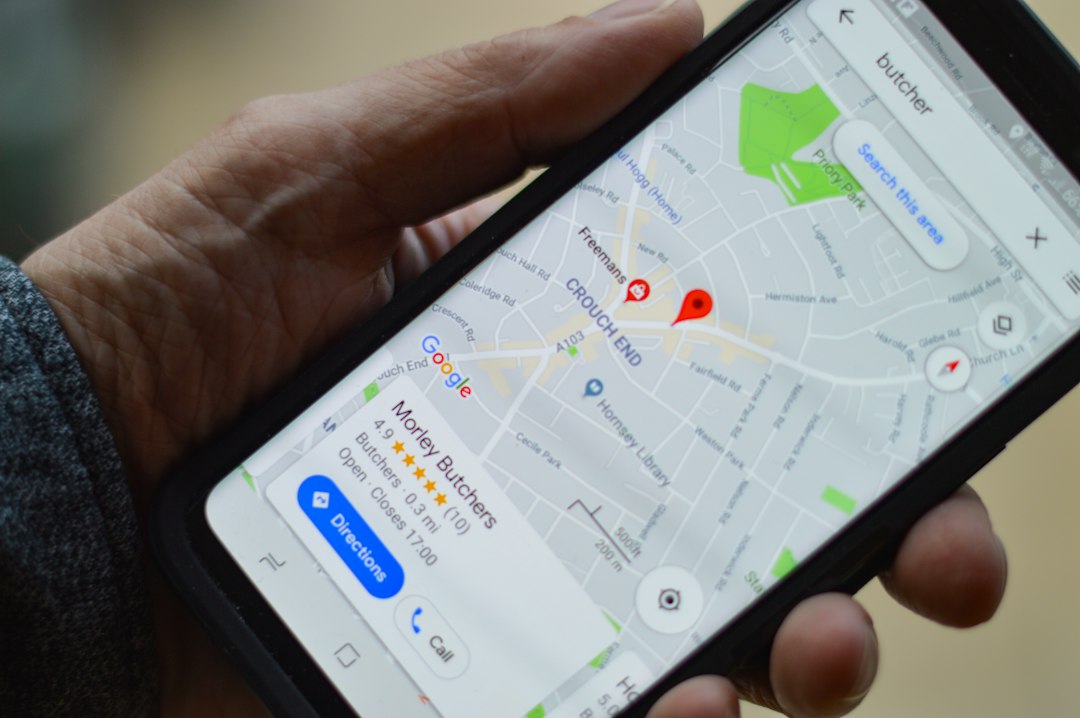 Photo via Unsplash
Local SEO is the practice of optimizing your business's online presence so it appears in Google's results when someone nearby searches for what you offer. It covers your Google Business Profile, your website's local signals, your directory listings, and your reviews. For any business that serves a specific city, neighborhood, or region, local SEO directly determines whether a ready-to-buy customer finds you or finds a competitor.
 Photo via Pexels
How Is Local SEO Different From Regular SEO?
Standard SEO aims to rank a website for broad, non-geographic searches, like "how to fix a leaky faucet." Local SEO targets searches with geographic intent, such as "plumber near me" or "best pizza in Austin." The two share fundamentals like quality content and site performance, but local SEO adds a layer of location-specific signals: your Google Business Profile, your NAP (Name, Address, Phone number) consistency across directories, proximity to the searcher, and the volume and quality of your reviews.
The ranking system also differs. Google's local results are governed by three documented factors: relevance (how well your listing matches the query), distance (how close your business is to the searcher or the location they specified), and prominence (how well-known your business is online, based on links, reviews, and directory presence). A small local business can outrank a national chain in local results because proximity and relevance can outweigh raw domain authority when the search has local intent.
Where Do Local Search Results Actually Appear?
When someone searches for a local business or service, Google typically surfaces two kinds of results. The first is the Local Pack, the map-and-listing block of three businesses that appears near the top of the results page. The second is traditional organic results below the map. Both are influenced by local SEO, but the Local Pack is powered almost entirely by your Google Business Profile rather than your website.
Google Maps is a separate but connected surface. Many consumers skip the search results page entirely and open Maps directly to find nearby options. Voice search, increasingly used on mobile and through smart speakers, also pulls heavily from Google Business Profile data. And platforms like ChatGPT and Perplexity are now fielding local business queries, drawing on structured directory data and review profiles to generate recommendations. Local SEO now serves as the foundation for visibility across all of these surfaces simultaneously.
Why Does Local Search Traffic Convert So Well?
People performing local searches are not casually browsing. A query like "urgent care open now" or "florist near downtown" signals immediate, specific need. That purchase intent makes local search traffic unusually valuable compared to most other acquisition channels. Someone clicking your listing has already decided they want this type of product or service and are evaluating who to choose.
This also explains why Google Business Profile completeness matters so much. According to Google, customers are 70% more likely to visit and 50% more likely to consider purchasing from businesses with a complete Google Business Profile. A profile that shows current hours, photos, services, and recent reviews gives a high-intent searcher everything they need to choose you without ever visiting your website.
It is also worth understanding what is called zero-click behavior. According to Semrush, 27.2% of U.S. search traffic is now zero-click, meaning users get the information they need directly from search results without clicking through to any website. For local searches, this often means someone calls your phone number, gets your address, or checks your hours directly from the Local Pack. If that information is missing or wrong on your profile, you lose that customer without ever knowing it happened.
 Photo via Pexels
What Are the Core Components of a Local SEO Strategy?
A complete local SEO approach covers four interconnected areas. Each reinforces the others, which is why the strategy compounds in effectiveness over time.
- Google Business Profile optimization. Claim and fully complete your profile. Choose your primary and secondary business categories carefully, as these affect which searches trigger your listing. Add your services, hours, photos, and a business description. Keep all information current, especially holiday hours and service updates. This is the single highest-leverage action for local visibility.
- NAP consistency across directories. Your business name, address, and phone number must be identical everywhere they appear online, including Yelp, Apple Maps, Bing Places, Facebook, and industry-specific directories. Inconsistencies confuse search engines about which information is authoritative and can suppress your rankings. Auditing and correcting these listings is foundational, not optional.
- Review generation and management. Reviews are a confirmed component of local prominence. According to BrightLocal's 2026 Local Consumer Review Survey, 97% of consumers read reviews for local businesses. A strong review profile builds trust with both potential customers and search algorithms. Asking satisfied customers for reviews, and responding to all reviews professionally, is a recognized best practice for local SEO.
- Location-relevant website content. Your website should include your service area, location-specific pages if you serve multiple areas, and structured data markup (LocalBusiness schema) that helps search engines understand your geographic relevance. Page speed and mobile performance also affect your ability to rank, since most local searches happen on mobile devices.
Does Local SEO Work for Service-Area Businesses Without a Storefront?
Yes. Google allows service-area businesses, plumbers, landscapers, mobile pet groomers, HVAC companies, and similar trades, to set a service radius and hide their physical address on their Google Business Profile. These businesses can still appear in Local Pack results for searches within their defined area. The optimization principles are the same: complete your profile thoroughly, build citations, and maintain a strong review presence. The key difference is that without a fixed location, proximity to the searcher carries less weight, making category relevance and review quality relatively more important ranking factors.
How Long Does It Take for Local SEO to Work?
Local SEO is not a switch you flip. For a new or unoptimized profile, meaningful improvement in local visibility typically takes several months of consistent effort, though businesses in low-competition markets or with an entirely unclaimed profile can sometimes see movement faster. The timeline depends on how competitive your category is locally, how complete and accurate your current listings are, and how actively you are generating reviews.
The important distinction from paid advertising is that local SEO builds cumulative value. Rankings, review counts, and citation authority all accumulate. A business that invests consistently for twelve months is in a substantially stronger position than it was at month one, and the cost-per-lead tends to decline as that foundation grows. Paid ads deliver traffic immediately but stop the moment the budget stops. Local SEO keeps working.
According to BrightLocal's SMB Marketing Report (2025), only 35% of small and medium-sized businesses have a Google Business Profile. For businesses that do claim and optimize theirs, that gap represents a meaningful competitive advantage in most local markets.
How Does Local SEO Compare to Other Local Visibility Strategies?
| Approach | Typical Monthly Cost Range | Best For | Key Trade-Off |
|---|---|---|---|
| Local SEO (GBP + citations + reviews) | $300 to $800/mo | Building durable, compounding local visibility | Takes months to gain traction; not instant |
| Google Local Services Ads | $500 to $3,000+/mo in ad spend | Immediate lead flow in high-intent categories | Stops when budget stops; no lasting equity |
| Google Search Ads (local targeting) | $500 to $5,000+/mo in ad spend | Capturing demand quickly for specific services | Expensive in competitive markets; no compounding value |
| Social media advertising (local) | $300 to $2,000+/mo in ad spend | Awareness and retargeting in a defined area | Lower purchase intent than local search |
What Should a Small Business Prioritize First?
If you are starting from scratch, the order of operations matters. Start with your Google Business Profile because it is the fastest path to local visibility and is entirely free. Then audit your NAP information across major directories and fix any inconsistencies. Next, build a systematic way to ask satisfied customers for reviews. After that foundation is in place, turn attention to your website's local content and technical signals. Trying to optimize everything at once often means doing nothing consistently, so sequencing matters.
Businesses managing this alongside everything else that running a company requires often find it useful to work with an agency that handles ongoing optimization. Social5 offers local SEO services, including Google Business Profile management, directory listings, and review automation, as part of done-for-you packages designed for small and medium-sized businesses that need consistent execution without a full-time marketing hire.
 Photo via Pexels
Frequently Asked Questions
What exactly is local SEO and how is it different from regular SEO?
Local SEO is the process of optimizing your online presence so your business appears in geographically relevant search results, such as "dentist near me" or "auto repair in [city]." Regular SEO targets broad, non-location-specific searches and focuses primarily on website content and backlinks. Local SEO adds a distinct layer of signals: your Google Business Profile, your NAP consistency across directories, your proximity to searchers, and your review volume and quality. Google evaluates local results using relevance, distance, and prominence rather than domain authority alone, which is why a well-optimized small business can outrank a national chain in local results.
Do I need a physical storefront to benefit from local SEO?
No. Service-area businesses without a public-facing address, including contractors, mobile services, and home-service companies, can create and maintain a Google Business Profile by defining a service radius instead of displaying a street address. These businesses can appear in local search results and the Local Pack within their defined area. The optimization approach is essentially the same as for storefront businesses, with reviews and profile completeness playing an even larger role since physical proximity carries less weight when there is no fixed location.
How do I get my business to appear in Google's Local Pack?
The Local Pack, the map block showing three businesses at the top of local search results, is driven primarily by your Google Business Profile. To improve your chances of appearing there, claim and fully complete your profile, select accurate and specific business categories, build consistent citations across major directories, accumulate positive reviews, and ensure your website includes local signals like your city, service area, and LocalBusiness structured data markup. There is no guaranteed path to the Local Pack, and Google has not published precise ranking weights for these factors, but businesses that excel across all of them consistently perform better in local results.
How important are online reviews for local SEO rankings?
Reviews influence local SEO in two ways. First, they are a component of prominence, one of Google's three documented local ranking factors. Businesses with more reviews and higher average ratings tend to rank more prominently, though Google has not published a precise formula. Second, reviews directly affect click-through rates and conversion: a searcher comparing two businesses is more likely to choose the one with recent, positive, and responded-to reviews. BrightLocal's 2026 Local Consumer Review Survey found that 97% of consumers read reviews for local businesses, so the trust impact is as significant as the ranking impact.
How long does it take to see results from local SEO?
There is no universal timeline because results depend on your starting point, your market's competitiveness, and how consistently you execute. A business in a low-competition market that goes from an unclaimed profile to a fully optimized one might see ranking improvement within six to ten weeks. In competitive markets, building meaningful local visibility more often takes four to six months of sustained effort. The upside is that results accumulate over time. Unlike paid advertising, which stops the moment spending stops, local SEO builds a foundation of ranking signals, review equity, and citation authority that continues to deliver value long after the initial work is done.
What should a small business prioritize first when starting local SEO?
Start with your Google Business Profile. Claim it if you have not, complete every field, choose your categories carefully, and add photos. This single step gives you the fastest path to local search visibility and costs nothing. Next, audit your NAP information across major directories like Yelp, Apple Maps, and Bing Places and correct any inconsistencies. Then put a system in place for asking satisfied customers to leave reviews. Once those foundations are in place, address your website's local content: city-specific pages, location keywords, and LocalBusiness schema markup. Trying to do everything at once without a clear sequence often results in partial execution across all areas rather than strong results in any.
Ready to win search?
Our SEO team builds rankings that drive real revenue, not just traffic.
See our SEO services