The SEO Timeline: What to Expect Month by Month
Most small businesses see early SEO signals in 3 to 6 months and real traffic and lead growth by 6 to 12 months.
 Photo via Unsplash
SEO typically takes 3 to 6 months to produce the first measurable signs of progress, such as rising impressions and improved rankings for long-tail keywords, and 6 to 12 months to produce meaningful traffic and lead growth that compounds over time. This is not a guarantee or a fixed countdown. It is a realistic range based on how search engines crawl, index, and re-evaluate websites, and it is why experienced marketers describe SEO as an investment you build rather than a purchase you make.
If you came here hoping for a faster answer, it is worth understanding why that answer does not exist. Search engines do not instantly recognize new or updated content as trustworthy. They need time to crawl your pages, compare them against competitors, and watch how real users interact with them before moving your rankings up. That process is sequential, not instant, and it compounds the longer you stay consistent.
 Photo via Pexels
Early SEO progress often shows up in analytics data before it shows up in rankings.
How Long Does SEO Take to Show Results for a Small Business?
For most small and medium businesses, the realistic timeline breaks into three phases. The first 1 to 3 months are a foundation phase: fixing technical issues, organizing site structure, researching keywords, and publishing or updating core content. Visible ranking movement is usually minimal here, and that is expected rather than a sign something is wrong. Analysis from First Page Sage covering more than 170 client companies found that initial ranking movement typically begins around the 3-month mark, with positive SEO return on investment generally achieved between months 6 and 12 [1].
From there, months 3 to 6 tend to bring early indicators: more pages getting indexed, impressions climbing in Google Search Console, and long-tail keyword phrases (longer, more specific search terms with lower competition, like "emergency plumber for burst pipe near me" instead of just "plumber") starting to rank. Months 6 to 12 are typically where traffic and lead volume start compounding, assuming the business has kept publishing content, earning links, and maintaining technical health.
Why Does SEO Take Months Instead of Days or Weeks?
SEO is slow by design because ranking well requires search engines to trust a page, and trust is built through repeated signals over time, not a single optimization pass. A May 2025 Ahrefs study of newly published pages found that only 1.74% reached Google's top 10 results within one year, a sharp decline from 5.7% in a comparable 2017 study [2]. That drop reflects a more competitive search landscape: more content is being published, competition for the same keywords has intensified, and Google's own evaluation of quality and relevance has become more demanding.
The same research found that the average page ranking in the number one position is now about 5 years old, more than double the roughly 2-year average Ahrefs recorded in its original study [3]. That statistic alone explains much of the disappointment business owners feel when they expect first-page rankings in a month or two. Competing for visibility often means outranking pages that have had years to accumulate links, content depth, and user trust signals.
There is a meaningful exception worth noting: of the pages that do eventually reach the top 10, Ahrefs found that 40.82% achieved that ranking within their very first month [4]. This does not contradict the longer timelines above. It means that when a page is going to rank well quickly, early signals (strong initial impressions, fast indexation, competitive keyword selection) tend to show up almost immediately. If a new page shows no movement at all in the first month, that is a signal to review keyword difficulty, content quality, or technical issues rather than simply waiting longer.
Does Local SEO Work Faster Than National SEO?
Yes, in most cases. Local SEO (optimizing your Google Business Profile, building consistent directory citations, and earning customer reviews) tends to move faster than national organic SEO because it competes within a smaller, geographically bounded pool of businesses rather than the entire internet. Businesses with a properly optimized Google Business Profile often see movement in the Map Pack (the group of three local business listings Google shows above organic results for local searches) within 4 to 8 weeks, with more noticeable gains building over 2 to 3 months.
National SEO, by contrast, means competing against every relevant website regardless of location, which is a far larger and often more established field of competitors. A service-area business targeting "HVAC repair Columbus Ohio" is competing with a manageable number of local companies. A business trying to rank nationally for "best project management software" is competing with established brands that may have been building authority for a decade. This is one reason Social5 frequently recommends small and local businesses prioritize local SEO and Google Business Profile optimization before investing heavily in broad national keyword campaigns: the path to visible results is shorter and the competitive field is more realistic.
What's the Difference Between Early Wins and Real Compounding Growth?
Early wins are leading indicators: things like increased impressions in Search Console, a new long-tail keyword appearing on page two, or faster indexation of new pages. They matter because they confirm the work is being recognized by search engines, but they do not yet translate into meaningful traffic or revenue. Real compounding growth is what happens when dozens of these small wins stack together: more indexed pages, more ranking keywords, more backlinks, and more consistent publishing, until the combined effect produces a steady, growing stream of organic visits and leads.
The mistake many businesses make is treating early wins as the finish line, then pausing or cutting the SEO budget right when the foundation is finally in place. SEO compounds the way a retirement account compounds: the first few months look flat, then the curve gets steeper if the input stays consistent. Stopping early resets much of that progress, because competitors who kept publishing and building authority continue to pull ahead.
 Photo via Unsplash
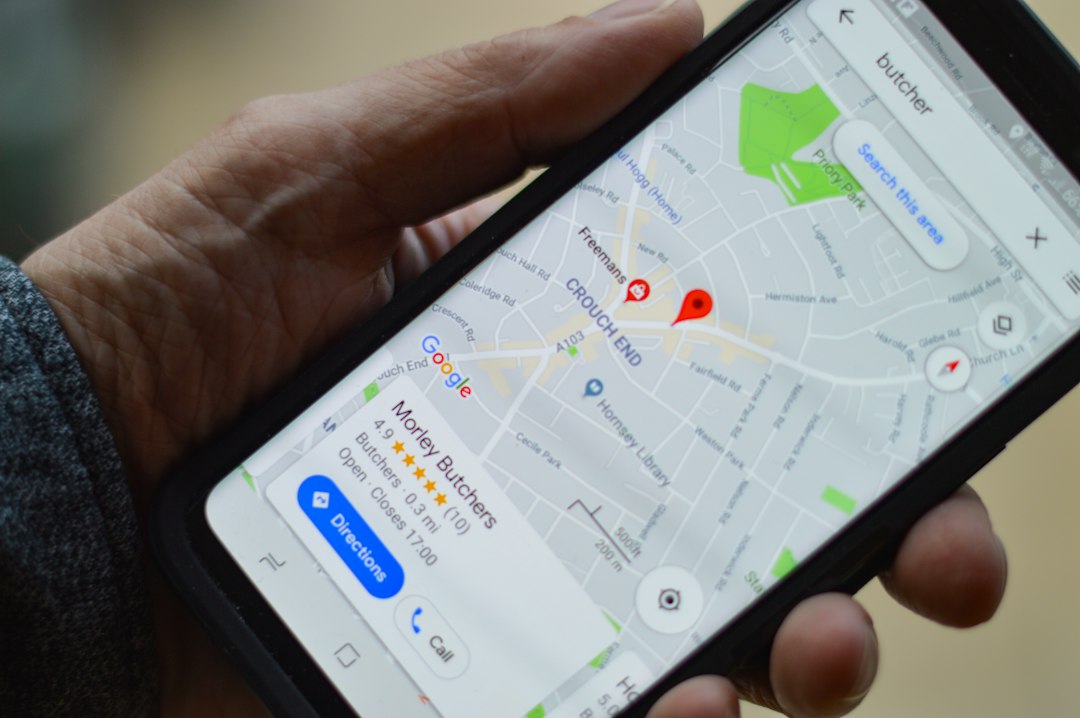
Local SEO signals, like an optimized Google Business Profile, often move faster than national organic rankings.
Can a Brand-New Website Rank as Fast as an Established One?
Generally, no. Domain age and existing authority (the accumulated trust signals a website has earned through backlinks, consistent content, and search history) create significant timeline differences. An established site with existing backlinks and a track record of quality content can sometimes see ranking improvement for a new page within a couple of months. A brand-new domain with no backlink history and no search track record often needs 6 months or longer to achieve comparable visibility for the same keywords, even with identical on-page optimization.
This is a professional observation grounded in how search engines evaluate trust signals over time, not a documented Google ranking formula. Google has not published a specific "domain age" ranking factor, but the accumulated effect of age, consistent publishing, and earned backlinks functions similarly to a trust signal in practice. A new business should expect to budget for a longer runway than a competitor that has had a website for 5 years.
What Factors Speed Up or Slow Down SEO Results?
Keyword competitiveness. Highly contested keywords (the ones every competitor in your industry is also targeting) take longer to rank for than specific, lower-competition long-tail phrases, regardless of how well-optimized your page is.
Domain authority and age. Established sites with existing backlinks tend to see faster movement than brand-new domains, which often need 6 months or more to build comparable trust signals.
Technical health. Slow page speed, poor mobile usability, broken links, or missing structured data can suppress rankings regardless of how good the content is, so technical fixes in the foundation phase matter more than they seem.
Content consistency. Publishing on a steady schedule signals an active, maintained site. Sporadic publishing (one blog post, then a 4-month gap) slows the compounding effect significantly.
Local versus national scope. A service-area or storefront business competing locally will generally see signals faster than a business competing for national, high-volume keywords.
Backlink profile. Earning links from relevant, reputable sites accelerates authority building, though this is typically a slower, ongoing process rather than a one-time task.
How Should a Small Business Budget for an SEO Timeline?
Because current research shows ranking has become more competitive and slower than it was several years ago, small businesses should plan for a sustained commitment of 6 to 12 months or longer rather than a short trial period. Industry SEO retainers for small and medium businesses commonly range from a few hundred to a few thousand dollars per month depending on scope, with foundational services like Google Business Profile optimization, directory listings, review management, and ongoing blog content typically priced as separate or bundled line items. The specific number matters less than the commitment length: a 3-month SEO engagement is rarely enough time to reach the compounding phase described earlier in this article.
Approach | Typical Monthly Cost Range | Best For | Key Benefit |
|---|---|---|---|
Local SEO (Google Business Profile, citations, reviews) | $150 to $600 | Storefronts and service-area businesses | Faster visibility, often within 4 to 8 weeks for local pack movement |
Ongoing content and blog SEO | $200 to $1,500 | Businesses building long-term organic authority | Compounding traffic and long-tail keyword growth over 6 to 12 months |
Full-service SEO and reputation bundle | $400 to $2,500 | Businesses wanting a coordinated strategy | Combines technical, local, and content work under one plan |
National or competitive-keyword SEO | $1,000 to $5,000+ | Businesses competing beyond their local market | Broader reach, but typically the slowest timeline to results |
Social5's approach to SEO and reputation management bundles local optimization, directory listings, and ongoing content into a coordinated plan rather than treating each as an isolated task, since the compounding effect described throughout this article depends on these pieces working together consistently over time.
 Photo via Unsplash
Setting monthly checkpoints helps a business track real SEO progress instead of expecting overnight rankings.
Frequently Asked Questions
How long does SEO take to show results for a small business?
Most small businesses see early measurable signals, such as rising impressions and long-tail keyword rankings, within 3 to 6 months. Meaningful traffic and lead generation growth typically takes 6 to 12 months, and highly competitive keywords or brand-new websites can take 12 months or longer.
Why does SEO take months instead of days or weeks?
Search engines need time to crawl, index, and evaluate trust signals like backlinks and content quality before adjusting rankings. A May 2025 Ahrefs study found the average number one ranking page is now about 5 years old, reflecting how much accumulated authority typically factors into top rankings [3].
Does local SEO work faster than national SEO?
Generally yes. Local SEO competes within a smaller, geographically limited pool of businesses, so Google Business Profile optimization and local citations often produce Map Pack movement within 4 to 8 weeks to a few months. National SEO involves competing against a much larger and often more established field, which usually takes longer.
Can a brand-new website rank as fast as an established one?
Usually not. Sites with existing authority and backlinks can sometimes see improvement within a couple of months, while brand-new domains with no search history often need 6 months or more to achieve similar rankings for the same keywords.
What's the difference between early SEO wins and real compounding growth?
Early wins are leading indicators like rising impressions or new long-tail keyword rankings that show search engines are recognizing your work. Compounding growth is the later stage where many of these small wins combine into steady, meaningful increases in traffic and leads, which typically takes 6 to 12 months of consistent effort.
What factors speed up or slow down how quickly SEO results appear?
Keyword competitiveness, domain age and authority, technical site health, publishing consistency, and whether you are targeting local versus national search all influence how quickly results appear. Businesses with existing authority and a local focus tend to see faster movement than new, nationally focused websites.
Sources
First Page Sage, 2025: First Page Sage's analysis of 170+ client companies found rankings begin their first meaningful upward movement around 3 months in, with positive ROI typically achieved by months 6-12
Ahrefs (via Whitehat SEO analysis), 2025: A May 2025 Ahrefs study found only 1.74% of newly published pages reach Google's top 10 within one year, down from 5.7% in 2017
Ahrefs (via Whitehat SEO analysis), 2025: The average #1 ranking page is now 5 years old, more than double the roughly 2-year average from Ahrefs' original 2017 study
Ahrefs (via Whitehat SEO analysis), 2025: Of pages that achieve top 10 rankings, 40.82% do so within the first month, suggesting early momentum is critical
Ready to win search?
Our SEO team builds rankings that drive real revenue, not just traffic.
See our SEO services